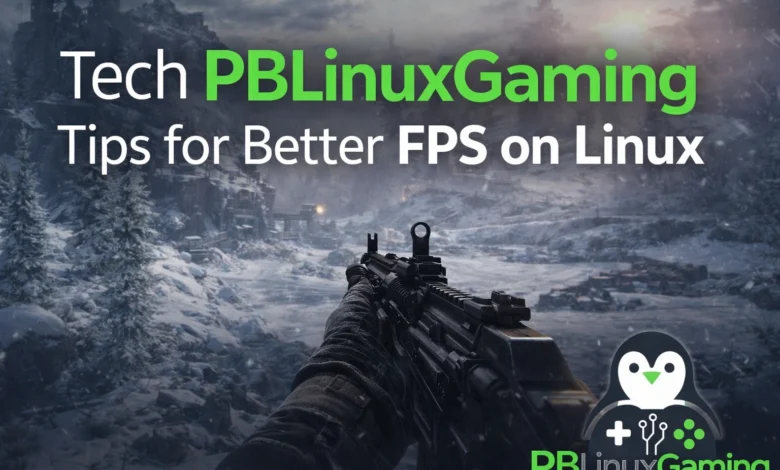
Linux gaming has undergone a massive transformation over the past few years. What was once considered a limited and experimental space has now evolved into a serious alternative for gamers worldwide. With tools like Proton and growing developer support, many modern titles now run smoothly on Linux.
However, unlike traditional gaming platforms, Linux still requires a more thoughtful setup. Simply installing a game is often not enough. Performance tuning, compatibility adjustments, and system monitoring play a major role in delivering a smooth experience.
This is where Tech PBLinuxGaming becomes essential.
Rather than being a single tool, it represents a complete approach to Linux gaming—focused on stability, performance, and efficiency. In this guide, you’ll learn how to build a powerful Linux gaming setup from scratch and optimize it for real-world performance.
What is Tech PBLinuxGaming?
Tech PBLinuxGaming is a structured method of optimizing Linux systems for gaming. It combines multiple tools, techniques, and best practices to ensure games run efficiently.
Instead of relying on guesswork, this approach focuses on:
- Choosing the right compatibility layer
- Monitoring system performance
- Applying targeted optimizations
- Managing multiple game sources
- Maintaining long-term system stability
The goal is simple: achieve consistent, smooth, and reliable gameplay on Linux.
Why Optimization Matters in Linux Gaming
Linux offers flexibility and control, but that flexibility also means performance depends heavily on how your system is configured.
Without proper optimization, users often encounter:
- Frame drops during gameplay
- Inconsistent FPS (frame pacing issues)
- Shader compilation stutters
- High CPU or GPU usage spikes
- Game launch failures
- Input or controller delays
These issues are not always caused by hardware limitations. In many cases, they result from incorrect configurations, outdated drivers, or suboptimal compatibility settings.
By following a proper Tech PBLinuxGaming workflow, you can eliminate most of these problems.
Core Tools for Tech PBLinuxGaming
A strong Linux gaming setup is built on the right tools. Each tool serves a specific purpose, and together they create a complete ecosystem.
1. Proton
Proton is the backbone of Linux gaming for Steam users. It allows Windows-based games to run on Linux by translating system calls and graphics APIs.
Key benefits:
- Runs thousands of Windows games on Linux
- Integrated directly into Steam
- Regular updates and improvements
When to use it:
Always use Proton first for Steam games, especially if no native Linux version exists.
2. GameMode
GameMode automatically optimizes your system during gameplay. It temporarily adjusts system settings to prioritize performance.
What it does:
- Boosts CPU performance
- Adjusts process priorities
- Reduces background interference
Best use case:
High-performance or CPU-intensive games.
3. MangoHud
MangoHud provides real-time performance metrics while gaming.
Displays:
- FPS
- CPU and GPU usage
- Temperatures
- Frame timing
Why it matters:
It helps you identify bottlenecks instead of guessing.
4. Lutris
Lutris is a game manager that supports multiple platforms beyond Steam.
Supports:
- Epic Games Store
- GOG
- Emulators
- Standalone games
Best for:
Gamers with libraries spread across multiple platforms.
5. ProtonUp-Qt
ProtonUp-Qt simplifies installing and managing custom Proton versions like GE-Proton.
Why use it:
- Easy version switching
- Better compatibility for certain games
6. vkBasalt
vkBasalt enhances visuals using post-processing effects.
Features:
- Sharpening
- Anti-aliasing
- Visual clarity improvements
Important:
Use it after achieving stable performance.
Step-by-Step Linux Gaming Setup
Step 1: Choose a Stable Linux Distribution
Your distribution forms the base of your gaming experience. Stability is more important than flashy features.
Recommended approach:
- Use a well-supported distro
- Avoid excessive customization early on
Step 2: Install and Update Graphics Drivers
Drivers are critical for gaming performance.
Tips:
- Always use the latest stable drivers
- Match drivers to your GPU (AMD/NVIDIA/Intel)
- Avoid outdated packages
Step 3: Install Steam and Enable Proton
Steam is the easiest entry point into Linux gaming.
Steps:
- Install Steam
- Enable Proton in settings
- Test games with default Proton version
Step 4: Optimize with GameMode
Enable GameMode for demanding games to ensure system resources are used efficiently.
Step 5: Monitor Performance with MangoHud
Before tweaking anything, measure performance.
Ask yourself:
- Is GPU usage maxed out?
- Is CPU the bottleneck?
- Are temperatures too high?
Step 6: Use ProtonUp-Qt for Compatibility Issues
If a game doesn’t perform well:
- Try a different Proton version
- Test GE-Proton builds
Step 7: Manage Non-Steam Games with Lutris
For games outside Steam:
- Install Lutris
- Configure launchers properly
- Use correct Wine/Proton settings
Read more: Tech Hacks PBLinuxGaming: Ultimate Guide to Boost Linux Gaming Performance
Performance Optimization Tips
1. Reduce Background Processes
Close unnecessary apps before gaming. This frees up CPU and memory resources.
2. Adjust In-Game Settings
Lower settings like:
- Shadows
- Anti-aliasing
- Texture quality
This can significantly improve FPS.
3. Use Fullscreen Mode
Fullscreen often delivers better performance compared to windowed mode.
4. Keep System Cool
High temperatures reduce performance. Ensure proper cooling and airflow.
5. Optimize Storage
Use SSDs instead of HDDs for faster load times and smoother gameplay.
Common Linux Gaming Issues & Fixes
Low FPS
Fix:
- Update drivers
- Lower graphics settings
- Enable GameMode
Stuttering
Fix:
- Let shaders compile
- Monitor with MangoHud
- Adjust Proton version
Game Not Launching
Fix:
- Check compatibility
- Switch Proton version
- Verify game files
Controller Problems
Fix:
- Configure in Steam Input
- Check game-specific settings
Anti-Cheat Issues
Some games with anti-cheat systems may not work on Linux. Always check compatibility before installing.
Best Practices for Long-Term Stability
- Keep your system updated
- Make changes one at a time
- Backup configurations
- Avoid random tweaks from unknown sources
- Use trusted tools only
Consistency is more important than aggressive optimization.
Who Should Use Tech PBLinuxGaming?
This approach is ideal for:
- Linux users who want better gaming performance
- Gamers switching from Windows
- Advanced users who enjoy system tuning
- Users with mixed game libraries
Even beginners can benefit by following the basic setup steps.
Pros and Cons of Linux Gaming
Pros
- Open-source ecosystem
- Greater system control
- Lightweight performance potential
- Growing compatibility
- No forced updates
Cons
- Some games unsupported
- Anti-cheat limitations
- Requires technical knowledge
- Setup time can be longer
Real-World Example
Imagine you launch a game and experience stuttering.
Instead of lowering graphics immediately:
- Use MangoHud
- Check CPU vs GPU usage
- Identify the bottleneck
- Adjust only the relevant setting
This approach saves time and ensures accurate fixes.
FAQ Section
1. What is Tech PBLinuxGaming?
It’s a method of optimizing Linux systems for better gaming performance using the right tools and configurations.
2. Is Linux good for gaming in 2026?
Yes, Linux gaming has improved significantly and supports many modern titles.
3. What is the most important tool?
Proton is essential for running Windows games on Linux.
4. How do I improve FPS?
Use GameMode, update drivers, and optimize in-game settings.
5. Can Linux run all Windows games?
Not all, but a large number of games work well with Proton.
6. What is MangoHud used for?
It monitors performance metrics like FPS, CPU, and GPU usage.
7. Do I need Lutris?
Only if you play games outside Steam.
8. Is Linux gaming better than Windows?
It depends on your needs. Linux offers control, while Windows offers broader compatibility.
Conclusion
Tech PBLinuxGaming is not about random tweaks—it’s about building a smart, optimized system for gaming on Linux.
By combining tools like Proton, GameMode, and MangoHud, you can create a setup that delivers smooth performance, stability, and control.
The key is simple:
Measure first, optimize second, and always stay consistent.
With the right approach, Linux can become a powerful and reliable gaming platform—ready for both casual and serious gamers.